
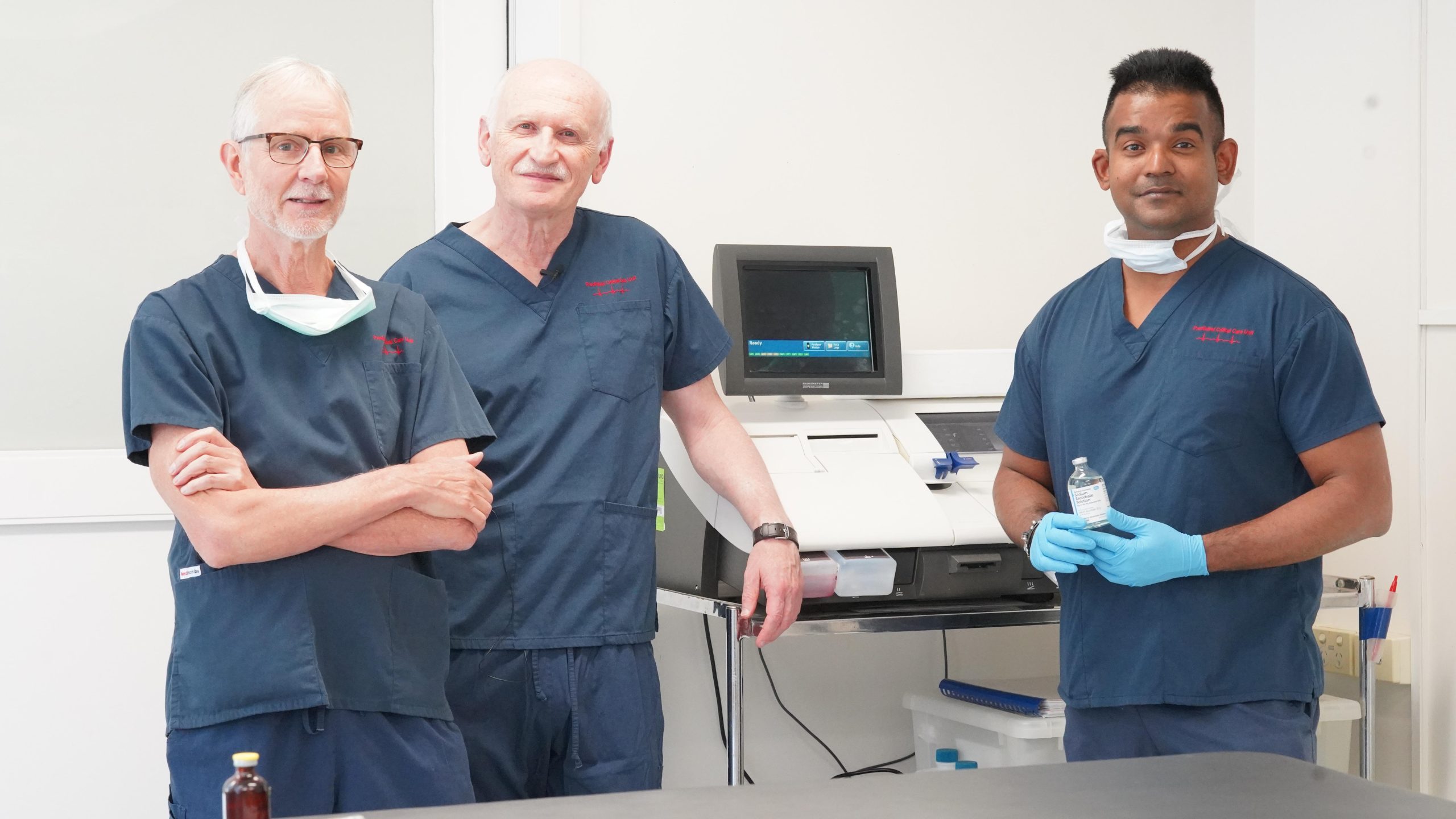
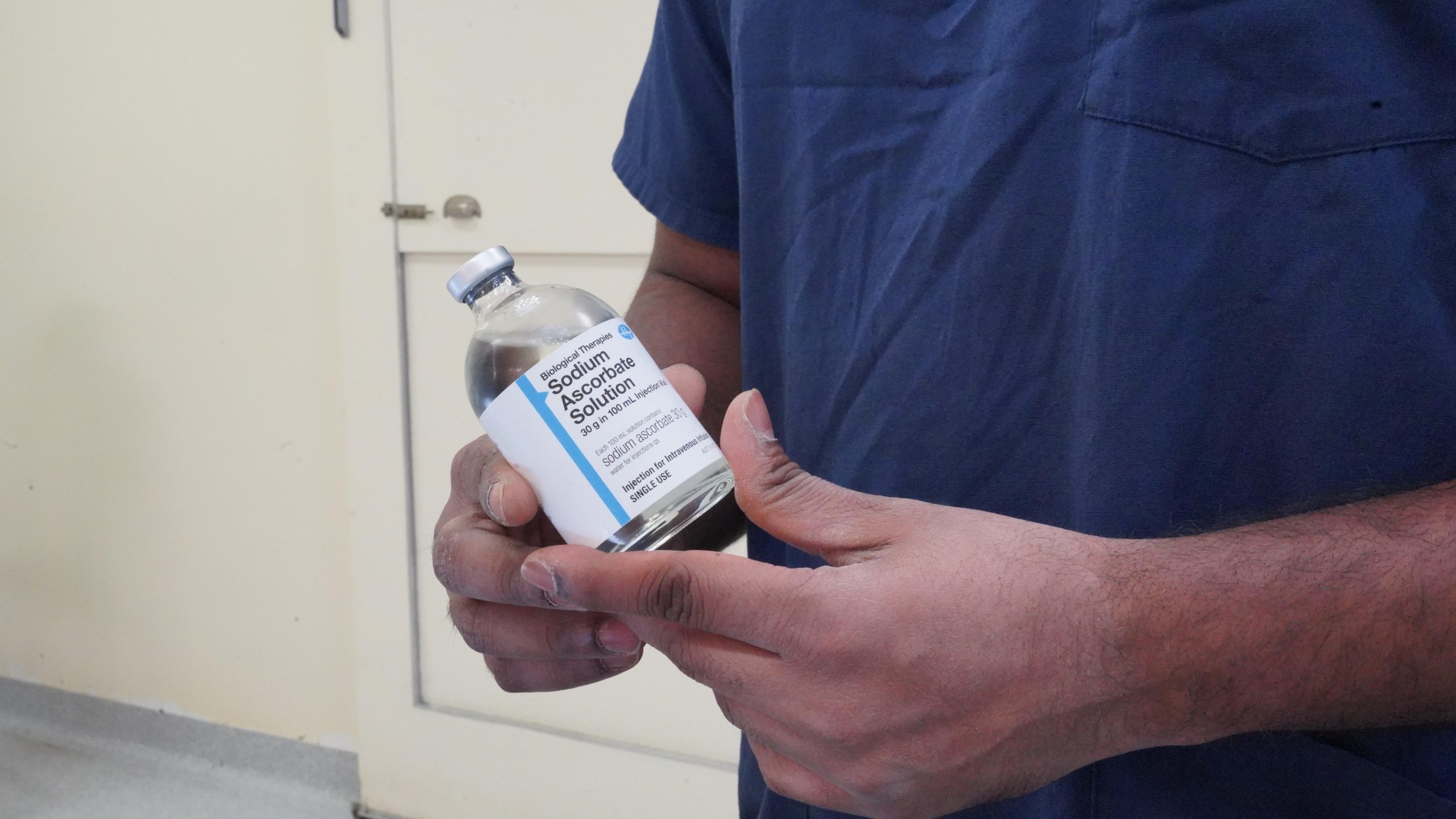
Researchers at Florey Institute, in collaboration with intensive care clinicians from a hospital, have demonstrated the effectiveness of sodium ascorbate, a pH-balanced formulation of vitamin C, in treating sepsis.
Researchers at The Florey Institute have demonstrated that a formulation they pioneered alleviates deadly sepsis, with the next phase of clinical trials to start rolling out across Australia next month.
Promising results from an initial clinical trial at the Austin Hospital in Melbourne, published in the journal Critical Care, show that sodium ascorbate – a pH-balanced formulation of vitamin C – is effective in treating sepsis.
Lead investigator Associate Professor Yugeesh Lankadeva said sepsis is notoriously difficult to treat and is often deadly.
Challenges of Treating Sepsis
“Sepsis accounts for 35–50 percent of all hospital deaths. It occurs when the immune system fails to fight off an underlying infection, causing life-threatening falls in blood pressure, multiple organ failure, and death,” Associate Professor Lankadeva said. In our trial at Austin Hospital, patients were given sodium ascorbate into their bloodstream, resulting in promising improvements to multiple organs.”
Associate Professor Lankadeva, who is research lead of The Florey’s Systems Neuroscience Theme, said the next phase of the $4.9 million government-funded research project will be offered in intensive care units in Adelaide, Melbourne, Perth, Brisbane, Alice Springs and Sydney.
“We’ll recruit 300 adult septic patients to receive either our formulation or a placebo as well as normal hospital care. The results will help us gather data to determine the effectiveness of our formulation,” Associate Professor Lankadeva said.
Previous Trial Insights
Austin Hospital’s Director of Intensive Care Research, Professor Rinaldo Bellomo, said the previous part of the trial in his department involved 30 adult sepsis patients between October 2020 and November 2022.
While receiving hospital intensive care, half the patients were randomly allocated to receive sodium ascorbate and the other half a placebo.
The study found that patients with sepsis who received the sodium ascorbate treatment:
- produced more urine, a sign of improved kidney function
- required less of the clinically used drug, noradrenaline, to restore blood pressure
- showed signs of improved function in multiple organs.
“Sepsis is the biggest killer in intensive care units in Australia and worldwide,” Professor Bellomo said. “It often develops so quickly that patients are already critically ill by the time they reach us. A treatment that acts quickly, is safe and highly effective would be an absolute game-changer.”
Decades of Research Paying Off
Senior Florey researcher on the project, Professor Clive May has spent more than 20 years investigating how sepsis causes organ failure, particularly in the brain and kidneys.
“Through our showing reduced levels of oxygen in tissues in sepsis, we identified sodium ascorbate as a possible treatment.
“We’ve seen dramatic results in our work with preclinical studies, where an extremely high dose of sodium ascorbate resulted in full recovery within just three hours, with no side effects. It’s heartening to see all those years of painstaking research pay off with a treatment now within reach for patients,” Professor Clive May said.
Surviving sepsis: A patient’s perspective
Long-term Florey staff member Brett Purcell is a consumer representative on the MEGASCORES research program, providing the invaluable perspective of a sepsis survivor.
“I was rushed to hospital by ambulance in 2011 with a high temperature and delirium. I had the early stages of sepsis. My condition slowly deteriorated and after 12 days I was transferred to a bigger hospital. By then I was in septic shock with a severely infected heart. Six months earlier I had a successful aortic valve replacement; unfortunately the valve had become infected.
“The surgical team repaired the damage in a six-hour operation. But my condition worsened to critical. My family was told I only had an hour to live as my blood oxygenation levels were not conducive to life. What saved me was the excellent decision-making by the surgical team and the ICU intensivists. I was placed on life support on an ECMO machine and given dialysis and my condition rapidly improved.
“I returned home after almost eight weeks in hospital. I’m so lucky to be alive, and I’m hoping that this new research with sodium ascorbate will provide hospitals with a new life-saving tool, one that’s less invasive, quick, and highly effective in fighting sepsis.”
Reference: “Mega-dose sodium ascorbate: a pilot, single-dose, physiological effect, double-blind, randomized, controlled trial” by Fumitaka Yanase, Sofia Spano, Akinori Maeda, Anis Chaba, Thummaporn Naorungroj, Connie Pei Chen Ow, Yugeesh R. Lankadeva, Clive N. May, Ashenafi H. Betrie, Darius J. R. Lane, Glenn M. Eastwood, Mark P. Plummer and Rinaldo Bellomo, 12 October 2023, Critical Care.
DOI: 10.1186/s13054-023-04644-x
Never miss a breakthrough: Join the SciTechDaily newsletter.
Follow us on Google and Google News.
1 Comment
Wonderful! Deserves a Nobel, maybe.
Of course it won’t be used in clinical care for 20 yrs: it’s new & can’t be patented, so no pharma sales reps pushing it.
Near-free, available & it works, so no one will care.